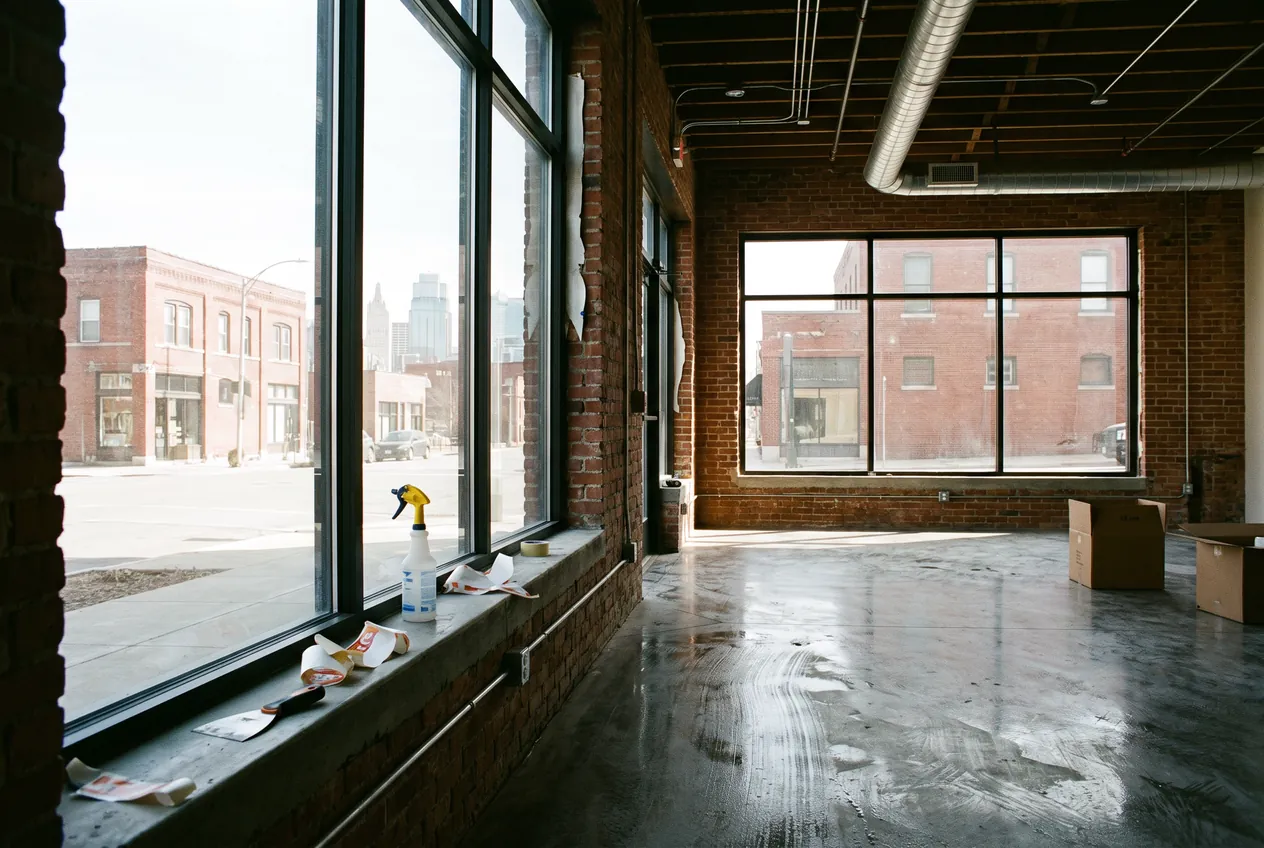
Agree on the scope before anyone picks up a rag
Arguments over a construction cleanup nearly always trace back to something one party assumed. The general contractor thinks the cleaners are hauling the last pallets, the cleaners think the dumpster is someone else's problem, and the tenant expects new HVAC filters that nobody ordered. Settle each of these in writing before the first phase starts, and attach the answers to the cleaning scope so the crew lead has them on site.
Debris haul-off and dumpsters usually belong to the general contractor. Swapping HVAC filters after the dust settles is a decision for the HVAC contractor or building management, not a task to assume the cleaning company will handle. If you want it done, name who does it and when.
- Who removes debris, packaging and leftover materials
- Whether power, water and lighting will be live on each visit
- Working hours the site allows, including evenings and weekends
- Site safety rules, required gear and sign-in steps
- Where the crew can stage equipment and fill buckets
- Who replaces HVAC filters once the cleaning wraps
- Which punch list items must close before the final clean
The three phases and what each one covers
Each phase has a different job. The rough clean makes the space workable for finishing trades, the final clean makes it presentable for inspectors or the owner, and the touch-up catches whatever settled or got tracked in during the last days of work. Skipping the touch-up is the most common reason a freshly cleaned space looks dusty on opening day.
| Phase | When it happens | What the crew focuses on |
|---|---|---|
| Rough clean | After drywall, paint and heavy trades finish | Loose debris swept, bulk dust vacuumed, floors cleared so finish work can continue |
| Final clean | Before inspection, turnover or the owner walkthrough | Top-to-bottom dust removal, vents, fixtures, glass, labels, residue and floors |
| Touch-up | Right before staff or tenants move in | Resettled dust, footprints from late trades, restroom and kitchen wipe-down |
Dust control decides the result
Construction dust is finer than everyday dust. Drywall sanding and concrete cutting leave particles that ride air currents, settle on every horizontal surface and drift back down hours after a surface was wiped. Dry dusting with a cloth or feather duster simply lifts that powder into the air so it lands somewhere else. That is why experienced crews rely on HEPA-filtered vacuums and damp wiping instead.
Order matters as much as tools. Crews start at the highest point, such as light fixtures, diffusers and the tops of door frames, and finish with the floor, so nothing they knock loose lands on a surface already done. Vents and return grilles get vacuumed early because the air handler will keep pushing dust out of them as long as the system runs.
Final clean checklist, area by area
Use this list during the final walkthrough. Fine dust hides in places nobody touches on a normal night, so these spots are where a rushed construction clean usually shows its gaps. Check each one with a flashlight held at a low angle across the surface.
- Light fixtures, lenses and diffusers wiped inside and out
- Supply vents and return grilles vacuumed
- Window tracks, sills and frames cleared of grit
- Glass cleaned after stickers and protective film come off
- Cabinet and drawer interiors vacuumed and wiped
- Door frames, ledges and tops of partitions damp wiped
- Paint and adhesive drips removed from glass, metal and hard surfaces
- Restroom fixtures, partitions and mirrors cleaned
- Outlet covers, switch plates and baseboards wiped
- Floors cleaned according to the finish installed
Labels, residue and brand-new finishes
New materials arrive covered in stickers, labels and protective film, and the paint and adhesive drips left by trades are often still soft. Removing them takes the right scraper and product for each surface. A razor that works on plain glass can scratch coated glass, and an aggressive solvent can haze new metal or laminate. Careful crews check the manufacturer's care guidance before touching specialty glass, metal trim or a new finish.
Floors deserve the same caution. New resilient tile may need floor finish applied before the space opens, sealed concrete needs a cleaner that will not strip the sealer, and new carpet usually just needs a thorough vacuum to lift construction grit from the pile. Confirm with the general contractor or flooring installer what has already been done so the crew does not duplicate or undo it.
Build-outs across the Kansas City metro
Tenant improvements and new commercial buildings go up on both sides of the state line, from Crossroads offices to suburban space in Overland Park, Lenexa and Lee's Summit. Many cleaning companies cover only part of the metro, so give the exact address and ZIP code when you schedule, along with the inspection or turnover date the final clean has to beat.
Weather changes the plan here. Projects finishing between December and March see ice melt and salt tracked across new floors by trades coming in from the street, and spring storms bring mud into entries and loading areas. Put down temporary walk-off mats at every working door and schedule the touch-up after the last outside trade is done.
The handover walkthrough
Walk the space with the general contractor, the cleaning crew lead and the punch list in hand. Note anything that needs a trade, such as a scuffed wall or damaged fixture, separately from anything that needs cleaning, because cleaners cannot fix a chipped surface and painters will not wipe a window track. Close cleaning items first, let the last repairs happen, then book the touch-up.